
7 Signs Your Office Needs Professional Deep Cleaning
Your office may need professional deep cleaning if you notice persistent odors, visible dust buildup, stained carpets, dirty restrooms, neglected high-touch surfaces, recurring employee complaints, or dirt that returns shortly after routine cleaning. These warning signs often indicate that standard janitorial maintenance is no longer enough to address accumulated soil and residue throughout the workplace.
Office buildings experience constant activity from employees, customers, vendors, and visitors. Over time, dirt can accumulate in hard-to-reach areas, flooring can develop visible traffic patterns, and shared spaces can become difficult to maintain. MAK Cleaning LLC provides commercial cleaning services throughout Denver, Colorado, helping businesses maintain professional work environments through routine janitorial care and detailed cleaning services.
Recognizing the signs that your office needs a deeper cleaning can help you address problems before they become more difficult to manage. Here are seven warning signs to watch for and what they mean for your workplace.
What Is Professional Office Deep Cleaning?
Professional office deep cleaning is a detailed cleaning service that addresses accumulated dirt, stains, and residue beyond the tasks typically included in routine janitorial maintenance. While daily cleaning focuses on maintaining frequently used surfaces, deep cleaning gives additional attention to neglected areas, stubborn buildup, and surfaces that require specialized equipment.
Routine office cleaning commonly includes emptying trash, vacuuming accessible floors, wiping countertops, and maintaining restrooms. These services are important, but certain areas require more intensive attention over time.
Depending on the building and the agreed service scope, professional office deep cleaning may include:
- Detailed cleaning of baseboards, corners, and hard-to-reach surfaces.
- Removal of accumulated dust from accessible vents, fixtures, and ledges.
- Deep cleaning of commercial carpets and heavily used flooring.
- Detailed restroom cleaning to address mineral deposits and buildup.
- Cleaning of break room surfaces, cabinets, and appliance exteriors.
- Removal of fingerprints, grime, and residue from frequently touched surfaces.
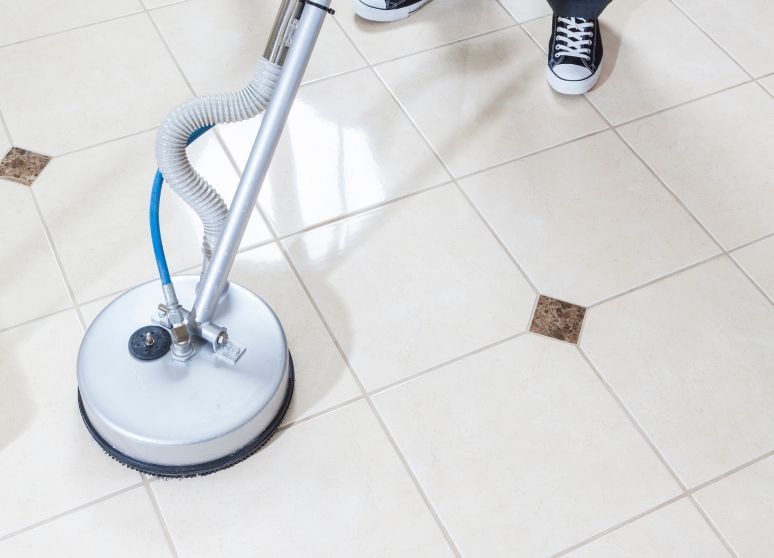
- Specialized hard floor or tile and grout cleaning.
- Cleaning beneath and around movable furniture and equipment.
The exact services depend on the office layout, flooring materials, existing conditions, and the cleaning provider’s capabilities.
Professional deep cleaning works best as a supplement to consistent janitorial maintenance rather than a replacement for regular cleaning.
1. Persistent Odors Throughout the Office
One of the clearest signs your office needs professional deep cleaning is an unpleasant odor that continues returning despite routine cleaning.
Office odors can originate from several sources, including food residue, trash containers, carpeting, upholstered furniture, and moisture-related problems. Some odors remain noticeable even after surfaces have been wiped down and trash has been removed.
Common sources of office odors include:
- Food particles trapped beneath break room appliances.
- Spills absorbed into carpeting or upholstered furniture.
- Trash containers with residue along the interior surfaces.
- Restroom drains, fixtures, or neglected floor edges.
- Moisture trapped beneath flooring or inside building materials.
- Accumulated residue in shared kitchen and dining areas.
Air fresheners may temporarily cover unpleasant smells, but they do not remove the underlying contamination.
Professional deep cleaning focuses on identifying and addressing accessible sources of odor rather than simply masking them.
For example, a break room may continue smelling unpleasant because food residue has accumulated behind appliances or beneath cabinets. Detailed cleaning can remove this buildup and help improve the condition of the space.
However, persistent musty odors associated with leaks or water damage may require moisture investigation and remediation beyond ordinary cleaning.
2. Visible Dust Buildup on Furniture, Fixtures, and Surfaces
Dust accumulating on desks, shelves, window ledges, and other surfaces can indicate that your office cleaning routine is missing important areas.
Dust enters commercial buildings through doors, windows, ventilation systems, clothing, and normal workplace activity. It can settle on surfaces that employees rarely touch or that cleaners cannot easily access during routine maintenance.
In Denver, seasonal dry weather, outdoor construction, and everyday foot traffic can contribute to dust entering commercial properties.
Pay attention to dust accumulation in areas such as:
- High shelves and storage cabinets.
- Window blinds and interior ledges.
- Baseboards and wall corners.
- Accessible ventilation grilles and returns.
- Light fixtures and decorative features.
- Behind monitors and office equipment.
- Under desks and around furniture legs.
When dust becomes visible across multiple surfaces shortly after routine cleaning, your maintenance schedule may need additional detail cleaning.
Professional cleaners can use appropriate dusting tools, microfiber materials, and HEPA-filtered equipment where suitable to capture loose particles rather than unnecessarily redistributing them.
Cleaning accessible ventilation grilles is different from cleaning the interior of an HVAC system. If dust accumulation appears to originate from mechanical equipment, a qualified HVAC professional may need to evaluate the system.
3. Stained Carpets and Dull, Dirty Floors
Commercial flooring is exposed to some of the heaviest daily wear in an office. Employees and visitors track dirt through entrances, hallways, conference rooms, and shared workspaces.
Over time, routine vacuuming and mopping may become insufficient to remove embedded soil and stubborn residue.
Carpeted areas may develop dark traffic lanes, while hard floors can appear dull, sticky, or discolored.
Common flooring problems that indicate a need for deeper cleaning include:
- Darkened carpet pathways near entrances and hallways.
- Stains that remain after routine spot cleaning.
- Embedded dirt along carpet edges and corners.
- Sticky residue on tile or vinyl flooring.
- Discolored grout lines in restrooms and break rooms.
- Visible soil buildup beneath desks and furniture.
- Floor finishes that appear dull or uneven.
Colorado weather can make commercial floor maintenance especially challenging. During winter, snow, moisture, sand, and deicing materials may be tracked into office buildings. During warmer months, dust and outdoor debris can accumulate near entrances.
Professional floor cleaning uses methods selected for each surface. Commercial carpets may benefit from hot water extraction, while tile, grout, vinyl, and hardwood floors require material-specific cleaning procedures.
MAK Cleaning LLC provides commercial carpet cleaning, hard floor cleaning, and tile and grout cleaning services throughout the Denver area.
Although professional cleaning can remove embedded dirt and improve appearance, permanent scratches, worn carpet fibers, and damaged floor finishes may require repair or restoration.
4. Restrooms Look Dirty Even After Routine Cleaning
Office restrooms require consistent attention because they experience frequent use and contain multiple surfaces exposed to moisture, soap residue, and mineral deposits.
Routine cleaning may keep sinks, toilets, and countertops presentable, but buildup can develop in areas that receive less frequent attention.
Signs that restrooms need detailed cleaning include:
- Discolored grout around sinks and flooring.
- Mineral deposits on faucets and fixtures.
- Soap residue around sinks and dispensers.
- Stains around toilet bases and floor edges.
- Persistent odors despite regular trash removal.
- Visible grime around partitions and wall corners.
- Residue on frequently touched surfaces.
Professional restroom deep cleaning may involve detailed scrubbing, removal of compatible mineral deposits, and specialized floor cleaning.
Cleaning and disinfecting are separate processes. Cleaning removes dirt and residue, while disinfecting uses an appropriate product according to its label instructions to reduce specified microorganisms on treated surfaces.
Businesses should ensure that any required disinfection procedures use products suitable for the surfaces and allow the manufacturer’s specified contact time.
Restroom deep cleaning should also address the source of recurring problems. For example, leaking fixtures or damaged grout may require maintenance rather than additional cleaning alone.
5. High-Touch Surfaces Are Frequently Overlooked
Office employees interact with shared surfaces throughout the day. Door handles, light switches, conference room tables, and break room appliances receive repeated contact from multiple people.
These areas may appear clean at first glance, but fingerprints, oils, and residue can accumulate when they are not included in a consistent cleaning schedule.
Frequently touched office surfaces include:
- Entrance and interior door handles.
- Light switches and shared controls.
- Elevator buttons and handrails.
- Conference room tables and chair arms.
- Shared keyboards and office equipment.
- Reception counters and payment terminals.
- Break room refrigerator and microwave handles.
- Restroom faucet handles and dispensers.
High-touch surfaces should receive appropriate routine attention, not just occasional deep cleaning.
If these areas are consistently overlooked, it may indicate that your janitorial checklist needs to be updated.
Professional cleaning providers can help establish a more detailed scope that includes shared surfaces and identifies which tasks require additional attention.
Electronic equipment requires special care. Cleaning products should not be sprayed directly onto keyboards, monitors, or other sensitive devices unless the equipment manufacturer specifically permits the method.
For offices with medical or specialized operations, cleaning and disinfection requirements may be more specific and should follow the facility’s established procedures.
6. Employees and Visitors Notice Cleanliness Problems
Repeated comments about dirty floors, unpleasant restrooms, dusty workstations, or lingering odors can indicate that your office cleaning program needs improvement.
Employees spend significant amounts of time in the workplace and may notice problems that are less obvious during a quick inspection.
Visitors and customers may also form impressions based on the condition of reception areas, conference rooms, and shared spaces.
Common cleanliness complaints include:
- Carpets that look dirty despite regular vacuuming.
- Restrooms that develop unpleasant odors during the day.
- Dust collecting around workstations.
- Sticky tables or countertops in break rooms.
- Overflowing trash during busy periods.
- Dirty entrance areas after rain or snow.
- Inconsistent cleaning between different parts of the office.
These concerns do not always mean that your cleaning provider is performing poorly. The existing cleaning schedule may simply be insufficient for the number of employees, visitors, and daily activities within the building.
For example, a growing office may require more frequent restroom cleaning or additional daytime maintenance to accommodate increased occupancy.
Professional deep cleaning can address accumulated soil, while changes to the recurring janitorial schedule can help prevent the same problems from returning.
Office managers should document recurring complaints and identify the areas involved. This information helps cleaning providers recommend appropriate adjustments.
7. Dirt and Grime Return Shortly After Cleaning
If office surfaces look dirty again shortly after routine cleaning, the problem may involve deeper soil accumulation, ineffective cleaning methods, or maintenance gaps.
Some surfaces develop residue that attracts additional dirt. Others contain embedded soil that cannot be removed through basic surface cleaning.
For example, carpet fibers may continue looking dark after vacuuming because oily residue and fine particles remain embedded below the surface.
Similarly, hard floors may feel sticky after mopping when cleaning products are not properly diluted or removed.
Warning signs include:
- Carpets that still look dull after vacuuming.
- Hard floors that feel sticky after mopping.
- Grout lines that remain dark after surface cleaning.
- Dust repeatedly collecting in neglected corners.
- Restroom buildup that regular wiping cannot remove.
- Stains that reappear after the surface dries.
Professional deep cleaning can address certain types of buildup using specialized equipment and appropriate cleaning solutions.
However, recurring dirt may also indicate that entrance mats, ventilation, foot traffic patterns, or the routine cleaning schedule need attention.
Identifying the cause helps prevent businesses from repeatedly paying to clean the same areas without addressing the underlying problem.
What Is the Difference Between Office Deep Cleaning and Regular Janitorial Cleaning?
Regular janitorial cleaning focuses on maintaining a workplace consistently, while deep cleaning addresses accumulated soil and areas requiring more intensive attention.
Both services play important roles in commercial property maintenance.
Routine janitorial cleaning
Regular janitorial services generally include recurring tasks that keep an office functional and presentable throughout the week.
These tasks may include:
- Emptying trash and replacing liners.
- Vacuuming accessible carpeted areas.
- Mopping appropriate hard floor surfaces.
- Cleaning restroom fixtures and countertops.
- Wiping commonly used surfaces.
- Maintaining break rooms and shared spaces.
- Removing visible debris from entrances.
Professional office deep cleaning
Deep cleaning involves more detailed tasks that may not be necessary during every routine visit.
Examples include:
- Removing stubborn soil from carpeted areas.
- Detailed cleaning along floor edges and baseboards.
- Addressing accumulated residue on fixtures.
- Deep cleaning tile and grout.
- Cleaning hard-to-reach accessible surfaces.
- Removing buildup from selected break room areas.
- Performing specialized commercial floor care.
Deep cleaning is most effective when paired with a reliable janitorial program. Businesses that depend exclusively on occasional intensive cleaning may allow smaller maintenance issues to develop between appointments.
How Often Should an Office Be Professionally Deep Cleaned?
Many offices benefit from periodic deep cleaning every three to six months, although the ideal schedule depends on occupancy, building use, flooring materials, and the effectiveness of routine janitorial services.
Some commercial properties may require monthly attention to specific areas, while smaller offices with limited traffic may need comprehensive deep cleaning less frequently.
Factors that influence cleaning frequency include:
- Employee count: Larger teams generally create more daily foot traffic and shared-space use.
- Customer visits: Offices with busy reception areas may require additional cleaning.
- Flooring materials: Carpet, tile, vinyl, and hardwood have different maintenance requirements.
- Building size: Larger properties may have more areas that routine cleaning does not reach frequently.
- Seasonal conditions: Snow, mud, and deicing materials can increase cleaning needs during Colorado winters.
- Business operations: Medical offices, restaurants, gyms, and other facilities may require specialized cleaning schedules.
- Existing janitorial service: A thorough recurring program may reduce the frequency of certain deep cleaning tasks.
Rather than following one schedule for every office, businesses should evaluate their highest-traffic areas and establish cleaning intervals based on actual conditions.
What Areas Should Be Included in an Office Deep Cleaning Checklist?
A professional office deep cleaning checklist helps ensure that important areas receive appropriate attention. The exact scope should be customized to the property and agreed upon before service begins.
Reception and waiting areas
- Detailed cleaning of counters and accessible furniture surfaces.
- Removal of dust from ledges and baseboards.
- Carpet or hard floor cleaning as needed.
- Cleaning of appropriate glass and frequently touched surfaces.
Workstations and private offices
- Dust removal from accessible surfaces.
- Cleaning around desks and furniture.
- Vacuuming beneath movable furniture where accessible.
- Spot treatment of compatible carpet and upholstery materials.
Conference rooms
- Detailed cleaning of tables and chair surfaces.
- Removal of fingerprints from appropriate fixtures.
- Floor cleaning and attention to corners.
- Cleaning of shared touchpoints.
Break rooms
- Cleaning countertops and cabinet exteriors.
- Removal of food residue from accessible surfaces.
- Detailed cleaning around appliances.
- Floor cleaning and residue removal.
Restrooms
- Detailed cleaning of fixtures and partitions.
- Removal of compatible mineral and soap deposits.
- Tile and grout cleaning where needed.
- Cleaning of floor edges and corners.
Tasks involving confidential documents, electrical equipment, specialized machinery, or restricted areas should be coordinated with the facility manager before cleaning begins.
How to Prepare Your Office for Professional Deep Cleaning
Preparing your office before a deep cleaning appointment helps the cleaning team work efficiently and reduces unnecessary interruptions.
Most preparation involves clearing accessible surfaces, communicating building requirements, and identifying priority areas.
Before the appointment:
- Identify problem areas: Document stains, odors, flooring concerns, and spaces that require additional attention.
- Clear unnecessary clutter: Remove loose paperwork, personal belongings, and small items from surfaces scheduled for cleaning.
- Secure confidential information: Store sensitive documents and equipment according to company policies.
- Coordinate building access: Provide appropriate entry instructions and identify restricted spaces.
- Discuss scheduling: Choose a time that minimizes disruption to employees and customers.
- Review the cleaning scope: Confirm which rooms, surfaces, and specialized services are included.
- Plan for drying: Allow appropriate time for carpets and other wet-cleaned surfaces to dry before normal use.
For larger offices, deep cleaning may be scheduled in sections so that employees can continue working in unaffected areas.
Clear communication helps the cleaning provider understand the building’s requirements and establish realistic expectations.
Why Denver Offices May Need Seasonal Deep Cleaning
Commercial properties in Denver experience seasonal changes that can influence cleaning requirements throughout the year.
Winter conditions may introduce snow, moisture, grit, and deicing materials into entrances and hallways. These substances can accumulate on carpets and hard flooring, increasing maintenance demands.
During spring and summer, outdoor dust, pollen, and construction-related debris may contribute to additional soil inside office buildings.
Seasonal deep cleaning can help businesses address these changing conditions.
Winter cleaning priorities
Focus on entrance flooring, tracked-in debris, wet areas, and the removal of residue associated with winter conditions.
Spring cleaning priorities
Address accumulated winter soil, detailed dust removal, and heavily used carpeted areas.
Summer cleaning priorities
Pay attention to outdoor dust, increased foot traffic, break room maintenance, and frequently used common areas.
Fall cleaning priorities
Prepare entrances, floors, and shared spaces for the increased moisture and debris associated with colder weather.
Businesses throughout Denver, Aurora, Lakewood, Englewood, and surrounding communities can benefit from adjusting their cleaning schedules to reflect seasonal conditions.
How to Choose a Professional Office Deep Cleaning Company
Selecting a commercial cleaning provider involves more than comparing prices. The company should understand the property’s layout, flooring materials, cleaning requirements, and scheduling needs.
Before choosing a provider, consider asking:
- What services are included in the deep cleaning estimate?
- Do you provide commercial carpet and hard floor cleaning?
- Can you accommodate evening or weekend appointments?
- What equipment and cleaning methods do you use?
- How do you handle delicate surfaces and specialty flooring?
- Can you create a customized cleaning checklist?
- Do you offer recurring janitorial services after deep cleaning?
- How do you communicate with facility managers?
A written cleaning scope helps prevent misunderstandings and allows businesses to compare service proposals accurately.
MAK Cleaning LLC has served the Denver area since 2007 and offers commercial cleaning solutions that include janitorial services, deep cleaning, carpet cleaning, and specialized floor care.
Choosing a provider that offers multiple commercial cleaning services can simplify ongoing maintenance by allowing businesses to coordinate different cleaning needs with one team.
Schedule Professional Office Deep Cleaning With MAK Cleaning LLC
Persistent odors, visible dust, stained floors, neglected restrooms, overlooked high-touch surfaces, recurring complaints, and dirt that quickly returns are all signs your office may need professional deep cleaning. Addressing these problems helps maintain a cleaner, more professional workplace while supporting the effectiveness of your routine janitorial program.
MAK Cleaning LLC provides professional deep cleaning in Denver and surrounding Colorado communities. Our team offers commercial janitorial cleaning, carpet cleaning, hard floor maintenance, and detailed cleaning solutions tailored to the needs of local businesses. Whether your office needs a one-time deep cleaning or ongoing maintenance support, contact MAK Cleaning LLC today to request a free quote and discuss a cleaning plan for your property.
Frequently Asked Questions
What Are the Signs an Office Needs Deep Cleaning?
Common signs include persistent odors, visible dust buildup, stained carpets, dirty restrooms, neglected high-touch surfaces, repeated cleanliness complaints, and grime that remains after routine cleaning. These conditions may indicate that accumulated soil requires more detailed cleaning methods.
How Often Should an Office Be Professionally Deep Cleaned?
Many offices benefit from professional deep cleaning every three to six months, although the ideal frequency depends on employee count, visitor traffic, building conditions, and routine janitorial maintenance. High-traffic facilities may need certain areas cleaned more frequently.
What Is Included in Professional Office Deep Cleaning?
Office deep cleaning may include detailed dust removal, carpet cleaning, hard floor care, restroom cleaning, break room cleaning, and attention to corners, baseboards, and frequently touched surfaces. The exact services depend on the property and the agreed cleaning scope.
Is Office Deep Cleaning Different From Regular Janitorial Cleaning?
Yes. Routine janitorial cleaning focuses on recurring maintenance tasks such as trash removal, vacuuming, mopping, and surface cleaning. Deep cleaning addresses accumulated soil, stubborn residue, and areas requiring more detailed attention or specialized equipment.
Can Office Deep Cleaning Be Done After Business Hours?
Many commercial cleaning companies offer flexible scheduling to reduce workplace disruptions. Evening, weekend, or phased cleaning may be possible depending on the provider, building access requirements, and the services requested. Confirm scheduling options before booking.
Does MAK Cleaning LLC Provide Office Deep Cleaning in Denver, CO?
Yes. MAK Cleaning LLC provides commercial deep cleaning and janitorial services in Denver, Colorado, and surrounding communities. The company also offers commercial carpet cleaning, hard floor cleaning, and tile and grout cleaning to help businesses maintain their properties.
Can Professional Deep Cleaning Remove Office Carpet Stains?
Professional carpet cleaning can remove or reduce many stains caused by embedded dirt, spills, and residue. However, complete stain removal depends on the carpet material, stain type, age, and previous cleaning attempts. Permanent discoloration or fiber damage may remain after cleaning.
Table of Contents
Other Blogs You May Be Interested In



Categories